What is Sell a Home, Save a Child?

Have you come across Sell a Home, Save a Child and wondered what it is? Abbreviated SAHSAC, Sell a Home, Save a Child is a funding program for Forward Edge International. The premise is simple: sell homes and save children. Real Estate professionals can partner with Sell a Home, Save a Child and help their business thrive while transforming the lives of children in poverty. It’s a win-win for everyone! 

History of Sell a Home, Save a Child

Sell a Home, Save a Child Co-Founders Nick Shivers and Erik Hatch had both been loyal supporters of Forward Edge International for several years. After serving on short-term mission trips with Forward Edge and seeing children and communities devastated by material poverty firsthand, they put their heads together and created Sell a Home, Save a Child in 2016. When they came home, they were motivated to share their experience with their colleagues and inspire them to be a part of transforming the lives of vulnerable children as well. It caught on like wildfire.

How it Works + What It Accomplishes 

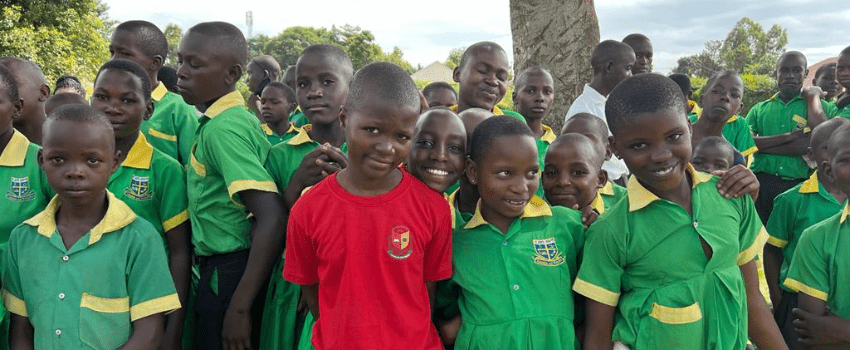
100% of the funds raised by Sell a Home, Save a Child go towards helping fund the Children Programs of Forward Edge International in Cuba, Haiti, Uganda, Kenya, Mexico and Nicaragua. These donations provide things like healthy meals, clean drinking water, education, tutoring and spiritual discipleship for children in need. SAHSAC Members are also given the opportunity to sponsor a child. Says Tyler Heins, a longtime SAHSAC Member and sponsor of several children, “Knowing that my small life is making a big impact by feeding and sustaining lives of children around the world brings me to tears and is as humbling as it gets.” 

SAHSAC’s Mission 

Since 2016, loyal Sell a Home, Save a Child Members have raised more than $2 million for children in poverty, with those numbers growing everyday. As Real Estate Agents continue to sell homes, they are inviting more people into SAHSAC’s mission and giving children great hope for a purposeful future. 


believing in children

Believing in Ymer

Ymer grew up feeling invisible, his dreams of education dimmed by discrimination and discouragement. But a spark of hope emerged when he joined tutoring classes, where a simple moment of recognition changed everything. With newfound confidence, letters of encouragement, and the support of a sponsor, Ymer discovered his worth and the power of believing in himself.

Go to Blog »
stories from the field

Learning to Smile

Many of us have seen profile photos of children in sponsorship programs; they are often solemn, sad and sometimes down-right angry looking. I know I have thought at times, “Wow, that poor child must be so unhappy!” But then I come across a video from the same organization in which

Go to Blog »
community

Picadillo from Cuba

Picadillo has its origins in Spain, but it has been adapted and modified over the years by Cuban cooks to suit local tastes and ingredients. Picadillo is a versatile dish that can be made with various ingredients depending on regional preferences and what’s available. The base typically consists of ground

Go to Blog »

A New Vision for the Village of Hope

The Road to Today “Imagine a young girl forced to grow up inside a garbage dump, exposed to extreme filth and severe malnutrition, at risk of physical abuse, rape, drug abuse, pregnancy – and even being sold into prostitution by her family for first access to incoming garbage.” These were

Go to Blog »
Transform a Child's Life Through Sponsorship

Habari (hello), my name is Elizaphan

  • location

    Kenya

  • 5 yrs. old

    02-09-2020

Entered the Program: August 2024

Elizaphan lives with his mother and three siblings in a rented two-room stone house. The home has access to electricity and they fetch water from a communal well. The family uses charcoal for cooking in an outdoor kitchen, and share a communal bathroom and a pit latrine with their neighbors.

Elizaphan is the youngest child in his family. His mother raises him and his siblings as a single parent since she is separated from their father due to alcohol addiction and physical abuse. She is mostly unemployed but tries to find casual jobs within the community to provide food for her children. The family is in great need.

Sponsorship Level What's this?

Three $38 sponsorships are needed to cover the complete holistic care of one child. Cover one, two, or three sponsorships.