Pilau Masala Recipe from Kenya

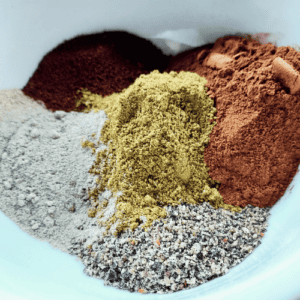
The rich flavors in Pilau Masala are a staple in Kenyan cooking, often mixed into rice. These flavors reflect Kenya’s diverse culinary landscape, showcasing a blend of indigenous African spices with those brought over by traders and settlers.

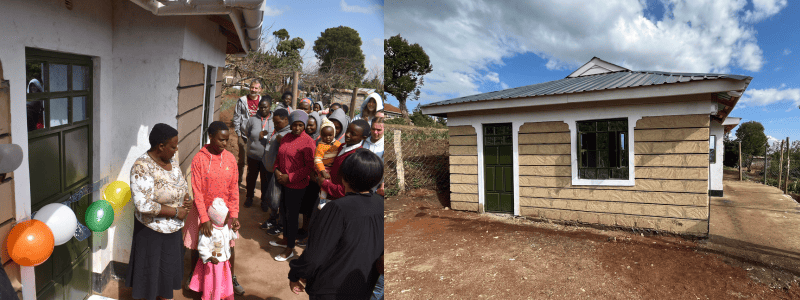
We hope you enjoy this delectable spice mix as much as we do and that it connects you in a deeper way with our extended Kenyan family. If you’d like to learn more about what our Christ-centered and holistic children’s program is doing in Kenya, you can do so here.

Pilau Masala (Kenya)

Forward Edge International
The rich flavors in Pilau Masala are a staple in Kenyan cooking, often mixed into rice. These flavors reflect Kenya's diverse culinary landscape, showcasing a blend of indigenous African spices with those brought over by traders and settlers. Connect with our Kenya program by enjoying this recipe and learn how we're helping children in Kenya at www.forwardedge.org/kenya.
Prep Time 5 minutes
Cook Time 5 minutes
Course Spice Mix

Ingredients
  

  • 1 Tbsp cloves
  • 2 tsp cumin seeds or 4 tbsp ground cumin
  • 1 stick cinnamon or 2 tbsp ground cinnamon
  • 1/2 Tbsp black peppercorn seeds or 1 Tbsp black pepper
  • 12 cardamon pods or 1 Tbsp ground cardamom

Instructions
 

  • Place the cumin, coriander, black peppers, cinnamon, cardamom and cloves in a dry pan.
  • Roast over low heat until warmed through and fragrant and blend (if using the whole spices, a coffee grinder can be used) until smooth.
  • Store in an airtight container for up to 3 months or refrigerate for up to 6 months.

Notes

You need just 1 to 1-1/2 tablespoons for our Pilau with Beef recipe.
Keyword authentic, flavorful, kenya, pilau masala, spices, traditional
Carlota de limon

Carlota de Limón Recipe from Mexico

For many, carlota de limón is a nostalgic flavor of their childhood. We’re excited for this opportunity to share this recipe, which is near and dear to our Mexico program staff. In our Mexico children’s program, our two amazing cooks prepare meals 7 days a week for children. If you’ve

Go to Blog »
living on mission

The Privilege of Sharing

Living from overflow is not a theological prosperity concept like “name it and claim it” or “blab it and grab it”; it’s a perspective shift in regard to wealth. The attitude behind this mindset is, “since I am overflowing with what I need, who can I bless today?” In 2

Go to Blog »
community

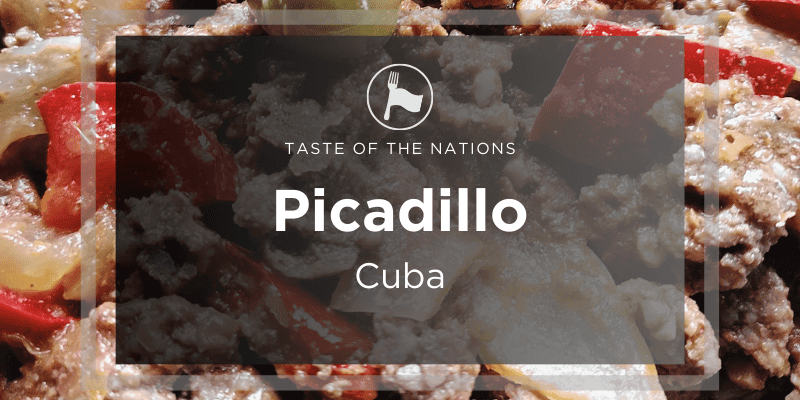
Picadillo from Cuba

Picadillo has its origins in Spain, but it has been adapted and modified over the years by Cuban cooks to suit local tastes and ingredients. Picadillo is a versatile dish that can be made with various ingredients depending on regional preferences and what’s available. The base typically consists of ground

Go to Blog »

Pikliz Recipe from Haiti

Pikliz is a spicy, tangy condiment made primarily from pickled cabbage, carrots, bell peppers, onions, and Scotch bonnet peppers, seasoned with vinegar and spices. It

Read More »
Transform a Child's Life Through Sponsorship

Ka wula (hello), my name is Rahina

  • location

    Ghana

  • 7 yrs. old

    10-31-2018

Entered the program: March 2023

Rahina lives with her parents, two older siblings, and grandmother in a two-bedroom house built with mud and roofed with thatch. The family has access to electricitybut not potable water. There is a village dam that residents draw water from until it dries up; then, the women and girls of the community have to walk long distances to find other sources. There is no local healthcare facility. Rahina’s village is very poor and lacks many resources.

Rahina’s family is Muslim. Her mother is a housewife and her father is a small-hold farmer who cultivates maize and cassava, but barely harvests enough food to last them throughout the year. The family has had to live on less than a dollar a day and Rahina’s parents struggled to provide the basic needs of Rahina and her siblings. Now since coming to Create Hope, the family has consistent food and Rahina is finally able to go to school every day.

Sponsorship Level What's this?

Three $38 sponsorships are needed to cover the complete holistic care of one child. Cover one, two, or three sponsorships.