Capturing Connection: Photography on the Mission Field

You’re on a mission trip, walking through a village, your heart full as you take in the scenes around you. Kids are laughing, families are working, and life is bustling in every corner. As you reach for your camera to capture it all, take a moment to pause. Think about the story you’re telling—and the people whose lives you’re sharing.

Photography has the power to connect us. It can break barriers, spark conversations, and showcase the beauty of the communities you’re serving. However, it’s not just about capturing a moment; it’s about doing so with care and respect. Here are four tips to ensure your photography leaves a positive impact long after you return home from your mission trip.

Share the Moment, Not Just the Photo

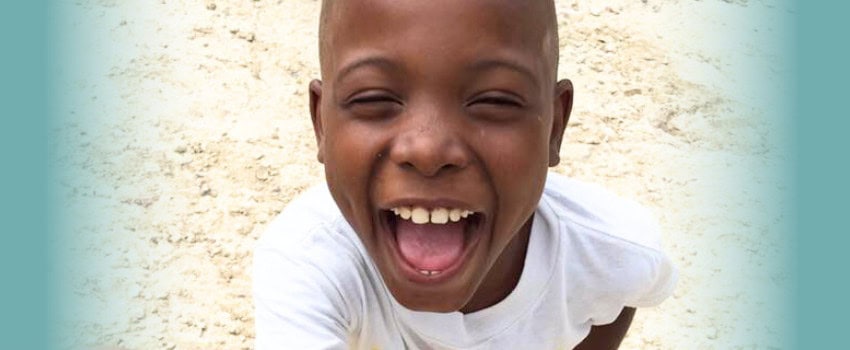
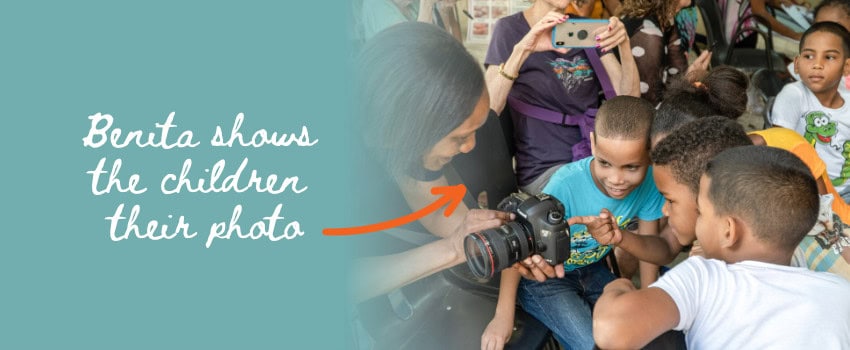
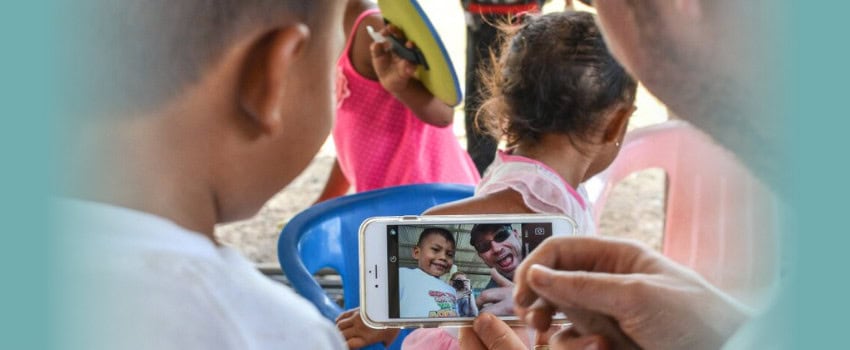
You’ve just captured a beautiful moment—a child playing with friends, their laughter filling the air. Kneeling down to show them the photo, you watch as their faces light up, gathering others around to see. This simple act of sharing does more than just break the ice; it creates a genuine connection between you and the people you’re serving. Remarkably, you don’t even need to speak the same language to enjoy these moments together.

For many children in developing countries, having a photo of themselves is a unique and rare experience. By showing them a glimpse of their own happiness, you’re not just taking a photo—you’re providing them with a meaningful memory to cherish.

Remember, You’re Not at the Zoo

As you walk through communities with your camera in hand, you might feel tempted to snap photos of everything you see: a mother washing clothes by the river, a shopkeeper arranging his goods. Yet, before you start shooting, pause for a moment. Imagine if strangers showed up in your neighborhood and began photographing your family without saying a word. You’d likely feel uncomfortable, even invaded. The same holds true when you’re on the mission field.

Remember, you’re entering people’s homes and lives—not just tourist attractions. Always ask for permission before taking a photo, and be mindful of how your request may make them feel. By focusing on fewer, intentional photos with respect in mind, you’ll create a far more impactful experience than snapping pictures indiscriminately. If someone agrees to a photo but appears visibly uncomfortable, take that as a cue to step back. Ultimately, your goal is to foster genuine connections, ensuring that every interaction reflects respect.

Assign a Photographer

Now that your team has arrived, excitement is in the air, and everyone wants to take photos. Instead of creating a flurry of cameras, consider designating one person as the team photographer. This allows the rest of the group to focus more on serving and less on documenting. Additionally, it reduces the chances of creating a “zoo” atmosphere where too many people are snapping pictures at once.

Having a dedicated photographer doesn’t mean no one else can take photos, but it does ensure that the team’s focus remains on the mission, not on creating content. Remember, you can always share the photos afterward.

Show Respect When Posting on Social Media

After returning home, you may feel eager to share the incredible moments from your mission trip. As you scroll through your photos, ready to post them on social media, pause for a moment. Before hitting “share,” ask yourself: What story am I telling? Is this photo respectful and dignified? Would the person in this image feel proud of how they’re represented?

Picture this: You’re scrolling through your feed and come across a photo of yourself in a vulnerable moment. Would you feel respected? It’s essential to show care in how we portray others, ensuring that every post maintains their dignity.

Sharing your experience on social media can be a powerful way to highlight the beauty and challenges of life in the communities you’ve served. However, it’s crucial to consider the impact your posts may have. Keep this Social Media Checklist in mind before sharing:

  • Promote Dignity: Ensure the photos you share reflect positively on the individuals in them, honoring their culture and stories.
  • Gain Informed Consent: Always ask permission before taking and posting someone’s photo, ensuring they’re comfortable with it.
  • Check Your Intentions: Are you sharing to highlight what God is doing, or to boost your own social media presence? Make sure your heart is in the right place.
  • Avoid Sensitive Situations: Steer clear of posting photos that capture vulnerable moments or portray people in a negative light.
  • Stay Humble: Remember, you’re not the hero of the story—God is. Let your photos reflect that truth.

By keeping these considerations in mind, you can share your experiences in a way that honors those you’ve encountered and reflects the heart of your mission.

As you take photos on your mission trip, hold close the wisdom of Matthew 7:12: “So in everything, do to others what you would have them do to you.” With every photo you take, you have an opportunity to foster connection, show respect, and give dignity. Each photograph has the power to tell a story, so be intentional: what story do you want to tell?

joseph anfuso

Serendestiny During a Pandemic

If there’s one thing the Covid-19 pandemic has made abundantly clear it’s that none of us are fully in control of our lives. What we can control, though, are our choices. And those choices ultimately determine the story of our lives. Several years ago, I coined a word that conveys

Go to Blog »
fundraising letter

Fundraising Support Letter

Letters are vital to raising support for your mission trip. If you have to choose between letters and events, choose letters. Here’s why: They work. People love to see others serve, and they will respond. Even if they might not go themselves, they can be a part of your experience.

Go to Blog »
Christian Charity in Action

Pearl Partner Spotlight: Kenya

This blog is a part of an ongoing series on Forward Edge’s Pearl Partners. Check out our highlights on Cuba and Haiti and enjoy this interview with Jane Wathagana.   20 years ago, Jane Wathagana was a successful businesswoman in Kenya, the Director of Animal World Safaris and Elangata Luxury

Go to Blog »
living on mission

Living from Overflow

“Consider this: Whoever sows sparingly will also reap sparingly, and whoever sows generously will also reap generously. Each of you should give what you have decided in your heart to give, not reluctantly or under compulsion, for God loves a cheerful giver. And God is able to bless you abundantly,

Go to Blog »
Transform a Child's Life Through Sponsorship

Hola (hello), my name is Jade Zulem

  • location

    Mexico

  • 10 yrs. old

    01-24-2016

Entered the Program: February 2025

Jade lives with her parents, brother, Caleb and adopted older brother, Jonathan (both also in the program) in a one-room adobe house with a tin roof, and concrete and dirt floors. The family shares a bedroom, except for Jonathan, who has his own, separate from the house. They cook with wood and get water from a hose on their property. The bathroom facilities are outdoors.

Jade’s parents met in Oaxaca City when they both worked there. After a year, they got married and eventually went to the village where her father was born. Jade’s parents intended to be in the village temporarily but the family required help tending their crops, so they decided to stay. They also adopted Jade’s cousin, Jonathan, as their own child because there was a need.

Sponsorship Level What's this?

Three $38 sponsorships are needed to cover the complete holistic care of one child. Cover one, two, or three sponsorships.