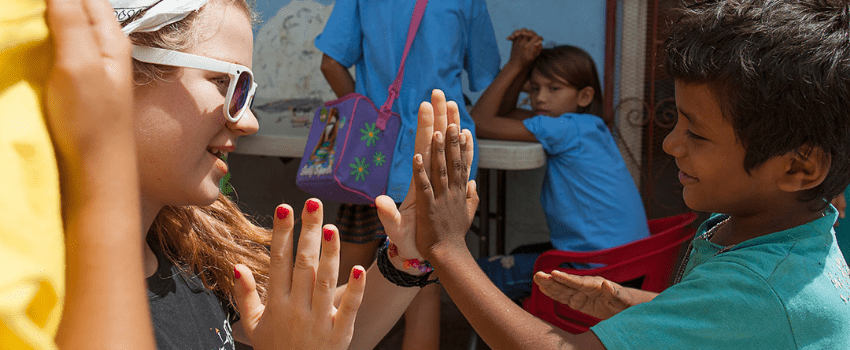
Before embarking on your first mission trip, there are a variety of things you can do to prepare yourself physically, mentally, and spiritually. This article will focus on some of the practical steps you can take to ensure you get the most out of your experience. Here are four things to consider in preparation for your upcoming trip.
1. Raise Support
If you’re in need of funds for your mission trip, one of the easiest places to start is writing an email newsletter. Many missionaries don’t realize that friends and family not only want to stay updated about your experience, but they can also be profoundly impacted by the unique story you have to share.
Let people know where you’re going and why. Share the news with your church, small group, and Bible study. Aside from sending out a newsletter, you can also collect donations by having a bake sale, car wash, or yard sale. And don’t forget to take advantage of social media – consider using Facebook Live or YouTube to spread the word about what you’re doing!
Related Article: Fundraising Tips for Your Mission Trip
2. Do Your Research
Doing some research about the location you’re heading to will help you know what to expect, and it can give you ideas of ways you can minister to the local people. In your research, look for information about the local government, social system, and culture.
This is a great way to minimize culture shock and mentally prepare yourself as much as you can. If you want to take it a step further, read some of the country’s recent news online, or look up blogs written by others who have traveled there in the past to hear their first impressions.
3. Have Paperwork Handy
Will you be needing international medical insurance on your trip? What about any specific vaccines? Is your passport up to date? Be sure to have all the necessary paperwork handy upon your arrival. Some countries require that you carry proof of immunization, as well.
Thankfully, when you go on a mission trip with Forward Edge, details like international medical coverage are taken care of for you. A team leader will also let you know about any required or recommended immunizations for entering the country. You should also keep in mind that applying for (or renewing) a passport can take up to eight weeks.
4. Learn the Local Language
One excellent way to connect with the locals during your mission trip is to learn the basics of their language. When you go the extra mile to learn some of the language, there is a deeper level of empathy on your part for the local people. There is also a stronger sense of trust on theirs. You’re able to move much more quickly from “stranger” to “friend.”
Nelson Mandela captured this idea beautifully when he said, “If you talk to a man in a language he understands, that goes to his head. If you talk to him in his language, that goes to his heart.”
With modern technology at our fingertips, learning a new language is easy. You can use an app like Duolingo to start with the basics, or take online classes with TakeLessons Live to chat with other learners at your level. As intimidating as it may seem, the best way to become conversationally fluent is to put your skills into practice!
We hope you found these four tips useful in preparing for your upcoming mission trip. Remember to prepare your heart as well – pray in the days leading up to your departure and ask God how He wants to use your gifts and talents. God bless you on this exciting journey!