Pilau Masala Recipe from Kenya

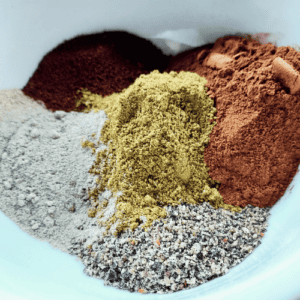
The rich flavors in Pilau Masala are a staple in Kenyan cooking, often mixed into rice. These flavors reflect Kenya’s diverse culinary landscape, showcasing a blend of indigenous African spices with those brought over by traders and settlers.

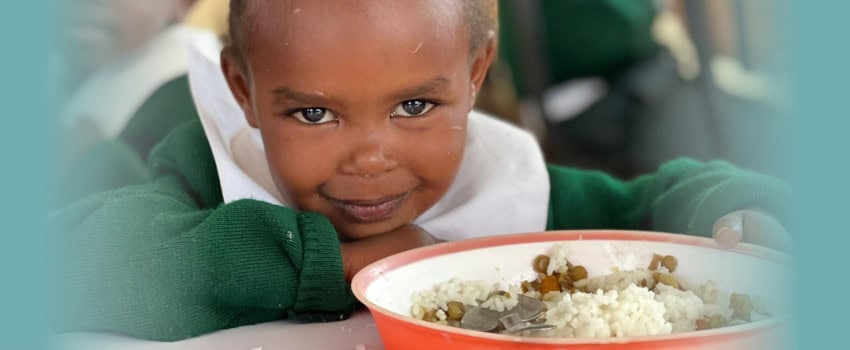
We hope you enjoy this delectable spice mix as much as we do and that it connects you in a deeper way with our extended Kenyan family. If you’d like to learn more about what our Christ-centered and holistic children’s program is doing in Kenya, you can do so here.

Pilau Masala (Kenya)

Forward Edge International
The rich flavors in Pilau Masala are a staple in Kenyan cooking, often mixed into rice. These flavors reflect Kenya's diverse culinary landscape, showcasing a blend of indigenous African spices with those brought over by traders and settlers. Connect with our Kenya program by enjoying this recipe and learn how we're helping children in Kenya at www.forwardedge.org/kenya.
Prep Time 5 minutes
Cook Time 5 minutes
Course Spice Mix

Ingredients
  

  • 1 Tbsp cloves
  • 2 tsp cumin seeds or 4 tbsp ground cumin
  • 1 stick cinnamon or 2 tbsp ground cinnamon
  • 1/2 Tbsp black peppercorn seeds or 1 Tbsp black pepper
  • 12 cardamon pods or 1 Tbsp ground cardamom

Instructions
 

  • Place the cumin, coriander, black peppers, cinnamon, cardamom and cloves in a dry pan.
  • Roast over low heat until warmed through and fragrant and blend (if using the whole spices, a coffee grinder can be used) until smooth.
  • Store in an airtight container for up to 3 months or refrigerate for up to 6 months.

Notes

You need just 1 to 1-1/2 tablespoons for our Pilau with Beef recipe.
Keyword authentic, flavorful, kenya, pilau masala, spices, traditional
community

Picadillo from Cuba

Picadillo has its origins in Spain, but it has been adapted and modified over the years by Cuban cooks to suit local tastes and ingredients. Picadillo is a versatile dish that can be made with various ingredients depending on regional preferences and what’s available. The base typically consists of ground

Go to Blog »
child sponsorship

How to Be a Child Advocate

What is Child Advocacy and how do I do it? “Child Advocacy”… such an official sounding term, isn’t it? Miriam Webster defines advocacy as “the act or process of supporting a cause or proposal”, and when broken down that way, it’s a pretty simple concept. Many of us are child

Go to Blog »
easter

Lent and Lament

In the midst of Holy Week, we find ourselves in a unique season of self-isolation and deprivation that coincides with the religious tradition of Lent observed by many Christians. Lent is a time of preparation – a period of giving up or sacrificing something in preparation for something better that

Go to Blog »
child sponsorship

5 Tips for Writing Your Child Consistently

I just returned from a mission trip to our children’s program in El Cobre, Cuba and spent several days with not only my sponsored child but some of yours as well! What a joy to see them face to face, hug them, and to share some quality time. TyAnn Hunt,

Go to Blog »

Pikliz Recipe from Haiti

Pikliz is a spicy, tangy condiment made primarily from pickled cabbage, carrots, bell peppers, onions, and Scotch bonnet peppers, seasoned with vinegar and spices. It

Read More »
Transform a Child's Life Through Sponsorship

Hola (hello), my name is Erika Dali

  • location

    Mexico

  • 20 yrs. old

    09-11-2005

Entered program: September 2016

Erika lives with her mother, father and little sister in a small two-room sheetmetal house that they built on a piece of land they inherited from her grandparents. Erika's parents work on painting projects but they don't bring in much money; her father also hires himself out as a taxi-driver. Her sister, Gimena, also attends the Trigo y Miel program.

Sponsorship Level What's this?

Three $38 sponsorships are needed to cover the complete holistic care of one child. Cover one, two, or three sponsorships.